
LISTEN TO THIS ARTICLE
How to decide if something is worth buying, trying or making room for.
The reviews are glowing. The packaging is beautiful. Someone on your screen says it changed her life.
You would like to know whether it will improve yours.
To decide if something is worth buying, identify what you want it to do, examine the evidence, calculate the full cost and consider how it fits your actual life. Price and popularity can inform a decision. They cannot make it for you.
That is the idea behind our signature question: Does it meet The Venus Standard?
We'll use it to examine products, services and popular ideas across money, beauty, life and culture. You can use the same questions before your next purchase.
1. Is it useful to me?
Start with the job you want it to do.
A coat might need to keep you warm on your commute. A subscription might need to save time on a weekly task. A perfume might simply need to smell wonderful to you.
Pleasure is a legitimate reason to buy something. Naming that reason helps you judge the purchase honestly.
Ask: What do I expect to be better after I buy this?
If the answer is vague, give yourself time to make it clearer. You might want the item, or you might want the feeling its advertising has attached to it.
2. Are the claims well supported?
A useful review tells you how its conclusion was reached.
Was the item tested first-hand? Under what conditions? Is the claim based on independent evidence, the manufacturer's description or someone's personal experience? Are drawbacks and uncertainty explained?
The strength of evidence needed depends on the claim. “I enjoyed this novel” is a statement of taste. “This supplement treats anxiety” requires a very different level of scrutiny.
For beauty, a photograph of luminous skin does not establish what a particular product caused. For a service, testimonials do not explain the cancellation terms. For an idea, repetition does not establish accuracy.
Ask: What supports the specific benefit I care about?
At Venus, research-based analysis will be identified as such. We will not describe an item as personally tested unless it was. Health, financial and legal claims require appropriate sources and qualified review where needed.
3. Is it worth the full cost?
The price on the page is a starting point.
Consider tax, shipping, accessories, refills, maintenance and recurring charges. Include the time needed to use it, learn it or keep it working.
For items you expect to use repeatedly, cost per use can be a helpful comparison:
Total cost ÷ realistic number of uses = cost per use.
Here is a hypothetical example. A $150 item used 100 times costs $1.50 per use. A $50 item used twice costs $25 per use, before any additional costs.
That calculation does not tell you whether either purchase is affordable or necessary. It helps you compare what you expect to get from the money spent. Use plausible estimates; an imaginary future in which you use everything daily produces excellent arithmetic and a crowded cupboard.
Ask: What will this really cost, and what else would I give up to pay for it?
4. Does it fit my actual life?
An excellent product can still be the wrong purchase for you.
A beautiful pair of shoes may suit someone else's commute. A demanding routine may suit someone else's mornings. A class may be worth its price but impossible to attend consistently with your current schedule.
Consider your preferences, available time, existing belongings and practical constraints. When relevant, check compatibility, safety information and return terms before buying.
Ask: Would I use this in the life I live now?
You can buy something for a new activity you genuinely plan to begin. It helps to have a plan more specific than “become the kind of woman who owns this.”
5. Does it deserve a place in my life?
Every addition asks for something: space, attention, money or a recurring commitment.
Would this replace something you already use? Would it create more upkeep? Could borrowing, renting, sampling or using what you own answer the same need?
This final question leaves room for an enthusiastic yes. Something can earn its place because it makes life easier, because it helps you do something meaningful or because you enjoy it immensely.
Ask: Knowing the benefits and the trade-offs, do I still want this?

The checklist in practice
Imagine considering a hypothetical $120 beauty product promoted as essential to a polished morning routine.
You like the idea, but already own a product that serves the same purpose. You cannot find support for the particular benefit you want, and the new product adds another step to a morning that already feels rushed.
The sensible verdict might be “not for me right now.” That says nothing about whether another person would enjoy it.
Now consider a hypothetical service that removes a recurring household task. Its terms are clear, the full cost fits your budget and you expect to use it regularly. It might earn a “worth considering” verdict, with a reminder to reassess whether it delivers the expected benefit.
The standard is consistent. The answer depends on the person and the circumstances.
What our verdicts will mean
- Meets the standard: the evidence and value support a recommendation for the stated audience.
- Meets the standard, with conditions: worthwhile for a specific use, preference, budget or circumstance.
- Does not meet the standard: the drawbacks, weak support or poor value outweigh the case for the stated audience.
- Not enough evidence: we cannot responsibly reach a verdict yet.
Each evaluation should explain its reasoning. A verdict without context is only another opinion to scroll past.
Save this before your next purchase
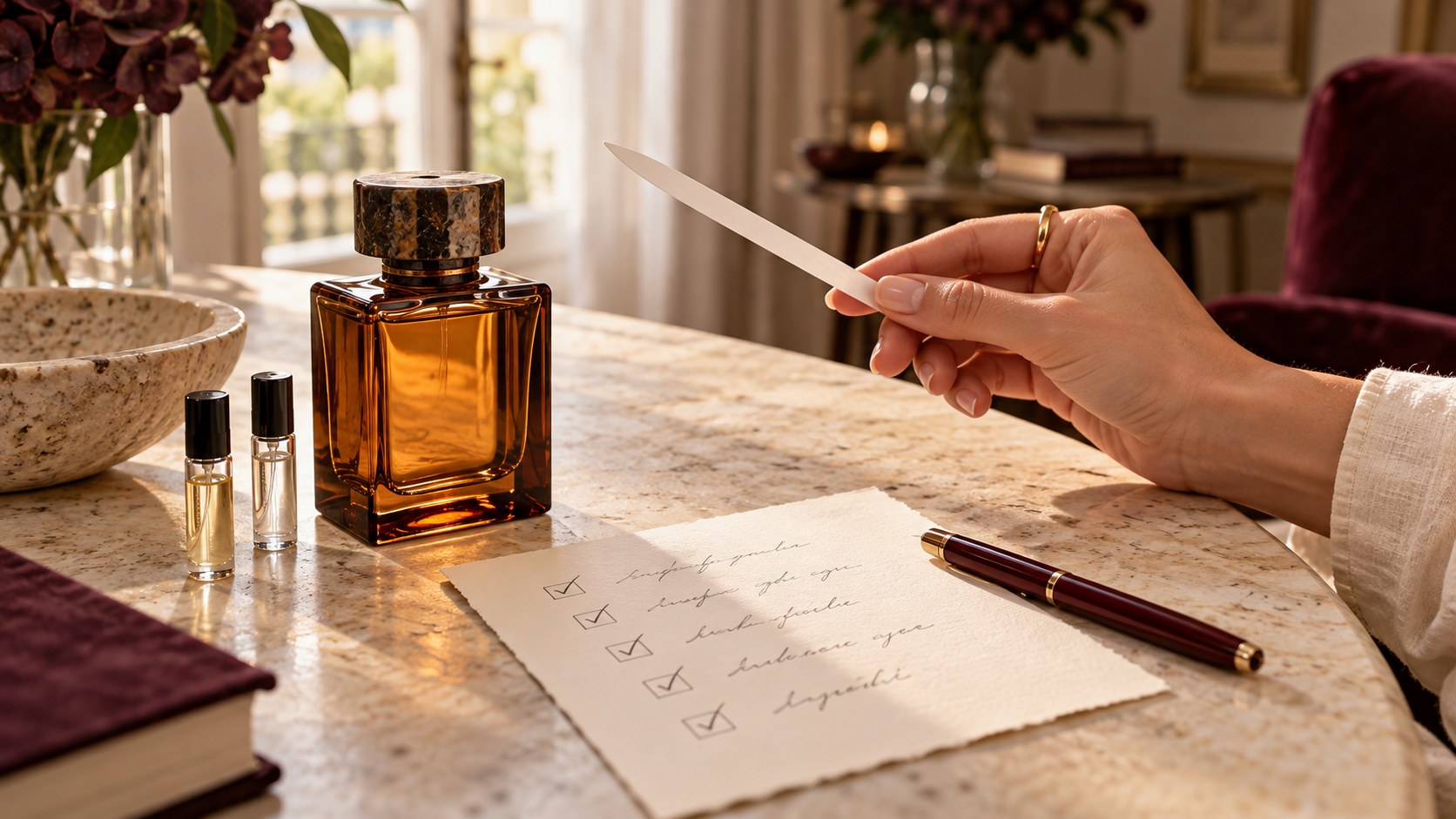
Useful to me? Claims supported? Full cost reasonable? Fits my life? Deserves its place?
For a nonessential purchase that feels urgent, consider stepping away and revisiting it tomorrow. Beck Institute Cares includes delaying checkout and noticing spending triggers among its strategies for interrupting impulse buying. A pause is a practical option, not a promise that every urge will disappear. Source: Beck Institute Cares.
You can also use this framework for a trend or an idea: what is being promised, what supports it and what adopting it would ask of you.
What should Venus evaluate first? Suggest a product, subscription, service or popular claim—and tell us the question you want answered. “Is it worth it?” gets much more interesting when we know what you need it to do.
Read next: Welcome to The Venus Standard.
Questions or corrections? Contact The Venus Standard.
The conversation continues.
We’ll apply these five questions to actual products and services in future Venus Verdicts. Subscribe to follow the investigations.